
Initiatives
Healthcare
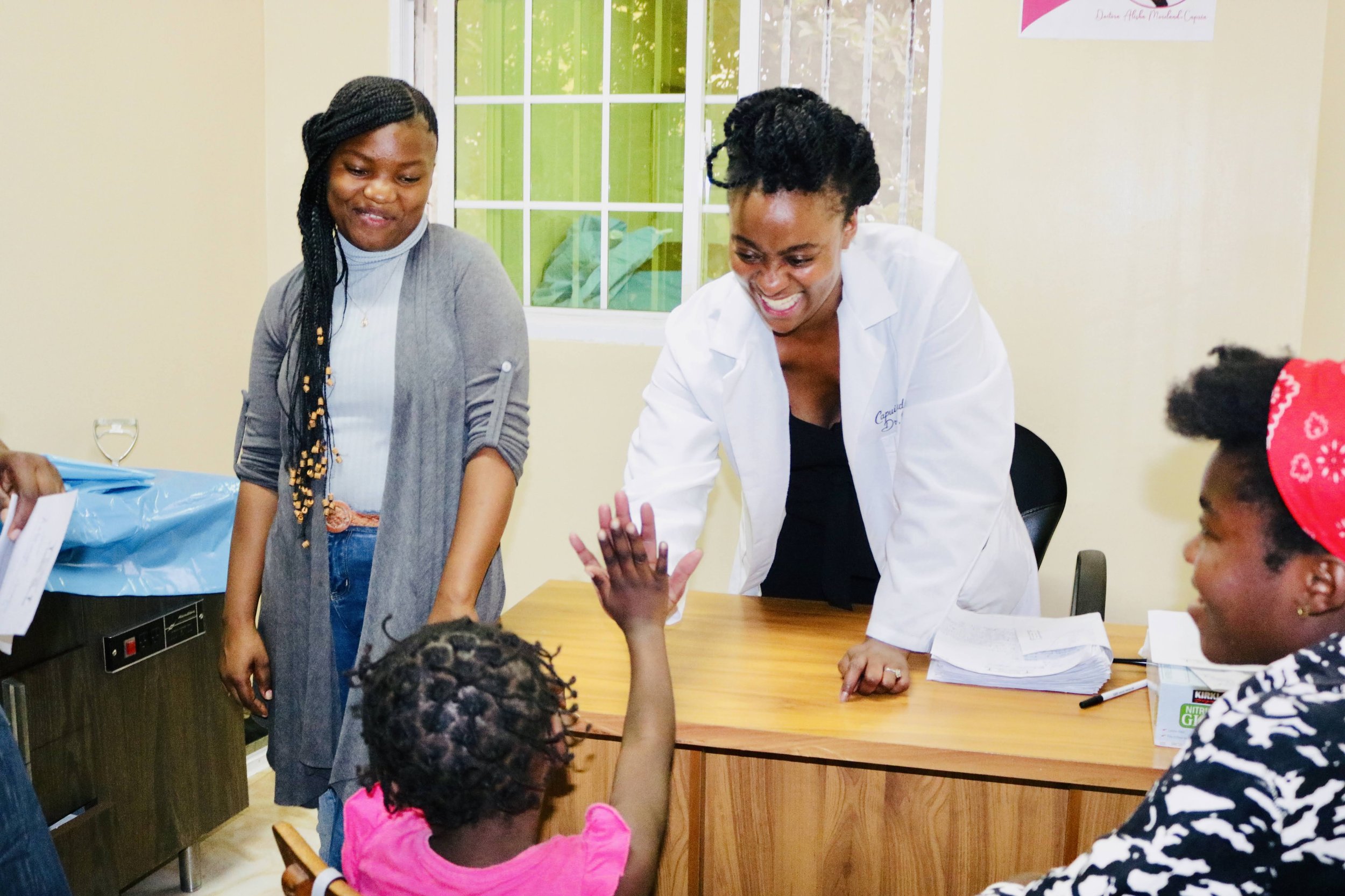
Healthcare is a priority for us because without a healthy population base economic growth cannot be sustained. Today in Angola there are far too few physicians and healthcare providers to meet the needs of a population of 35 million people. As a result, life expectancy is significantly short and access to quality care is severely limited. In 2016 we established an urgent care clinic called Centro Médico bom Samaritano in the community of Cacuaco on the outskirts of Luanda in Angola. Currently the clinic employs an on-call physician, nurses, a lab tech, and an intake coordinator. Nearly 1,000 unduplicated patients are served each year and no patient has ever been denied service due to an inability to pay.
Each year, the foundation travels to Angola to provide care while bringing medical students and residents to participate in clinical rotations (see photos in galary). These experiences allow future physicians to serve a global community in need while learning about global health, equity, and community-centered care.
For many trainees, the experience becomes transformative—shaping how they understand medicine and their responsibility to the communities they serve.
Agriculture
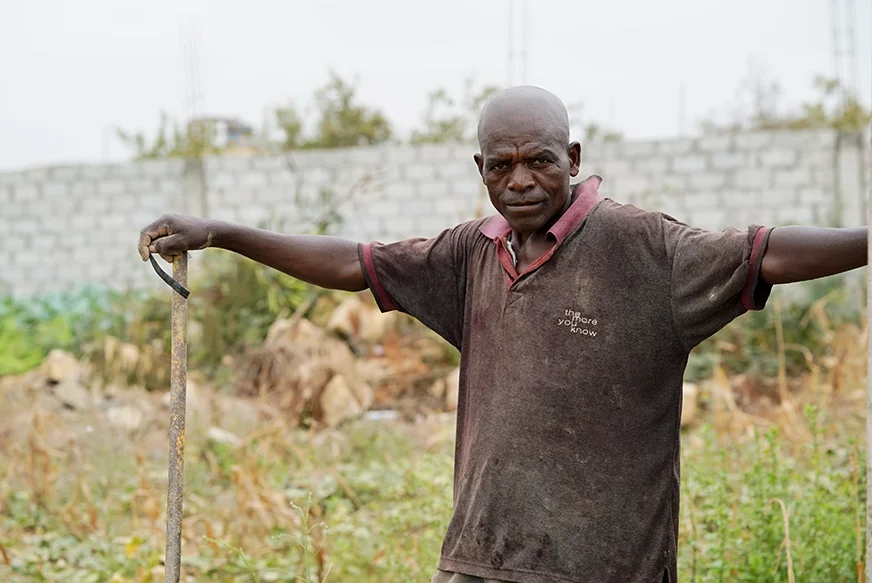
Another important priority for us is agricultural education. Before the civil war agriculture accounted for close to 15% of Angola's GDP and many people owned successful farms that allowed them to feed themselves and sell to markets. After the civil war a generation of farmers and farming knowledge was lost. Now is the time to reinvigorate this industry. Farming education is critical to improved economic conditions. We are in the process of providing this training to Angolans. This work has been pioneered by Mr. Estevao Capuia, one of the founding members of the foundation and a skilled farmer himself.
Education
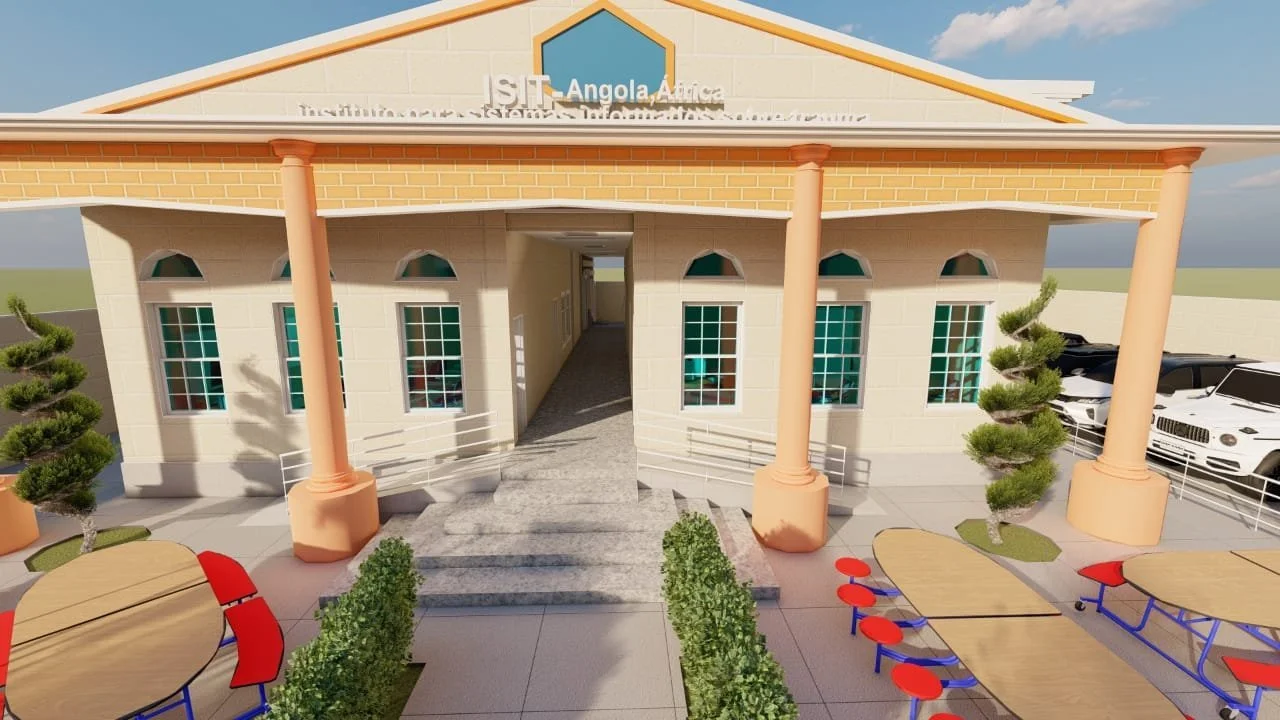
Education is the backbone of a sturdy economy. To this end, in 2025 the foundation partnered with The Institute for Trauma-Informed Systems Change (ITISC) at McLean Hospital a Harvard University affiliate to expand and build the ITISC in Cacuaco Angola. The Institute will serve as a training and learning hub for the Continent of Africa where educators, health care providers, community leaders, and organizations gain the knowledge and tools to implement trauma-informed practices that support healing, resilience, and opportunity throughout the community.
Cacuaco, located just north of Luanda, Angola, is home to hundreds of thousands of residents, many of whom were displaced during the Angolan Civil War (1975–2002). Although the war ended more than two decades ago, its effects remain deeply embedded in the community.
Unpaved roads, buildings still marked by bullets, and limited access to clean water, electricity, and safety serve as daily reminders of the conflict’s lasting impact. The trauma of war, displacement, and loss continues to shape access to education, health care, community stability, and economic opportunity—leaving far too many dreams unrealized.
To ensure the work is locally rooted and sustainable, Dr. Alisha Moreland-Capuia (AMC) recruited and trained five Angolan fellows who adapted the ITISC curriculum to reflect the cultural context and needs of their communities. These fellows will serve as lead trainers for the Institute, equipping educators, health care providers, and community leaders with the tools to build trauma-informed schools, health systems, and community institutions in Angola.